
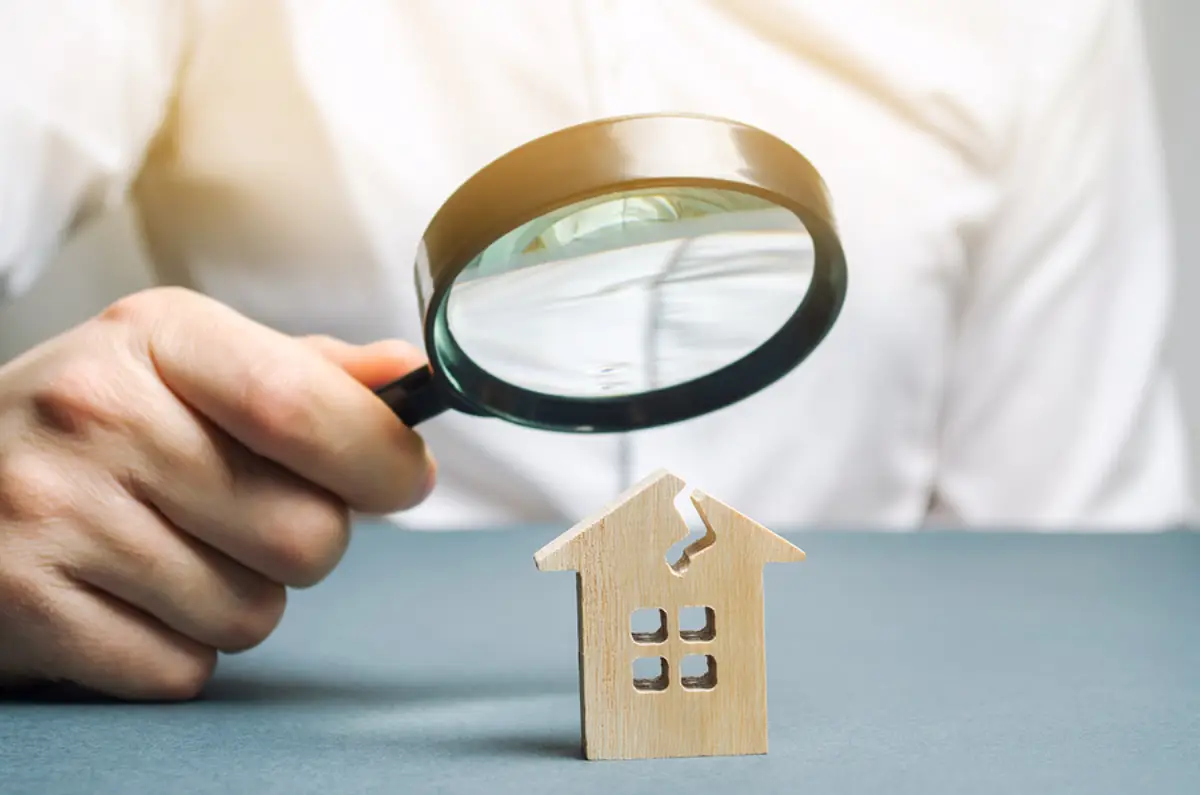
Some repairs are one-time events. Others are systems talking to you in installments, and if you're not tracking them, you'll miss what they're saying. Owners who understand rental valuation basics tend to notice this connection faster, since a property's condition and its repair frequency are closely tied together.
Key Takeaways
- Repeated repairs on the same system usually signal age, not bad luck.
- A documented repair history makes replacement decisions much clearer.
- Small fixes stop making sense once a system nears the end of its life.
- Comparing repair spending to replacement costs prevents overspending.
- Catching patterns early protects both your budget and your tenants.
What Your Repair Calendar Is Actually Showing You
A single repair rarely explains much. A pattern of them over several months usually explains everything.
Plumbing corrodes gradually, so one leak this spring and another one in a different spot by fall are the same aging pipe network wearing down at different points. Roofing works the same way. A patch job holds until the next heavy rain finds a new weak spot that the old patch didn't cover. HVAC systems lose efficiency slowly, too, and by the time a unit fails outright, it's usually already sent a few smaller warnings first.
Systems Where This Shows Up Most
- HVAC compressors and motors
- Water heaters
- Plumbing lines and fittings
- Roofing and flashing
- Exterior siding
- Window and door seals
Landlords tired of chasing down contractors for every little fix often look into building a reliable vendor network, since consistent vendors make it far easier to notice when the same problem keeps resurfacing.
When a Repair Stops Being the Smart Choice
Repairs make sense while a system is still fundamentally sound. Once it's not, every additional repair is really just a delay on an inevitable replacement bill.
Watch for these signs that the math has shifted:
- The same contractor keeps returning for the same issue within a few months.
- Repair costs climb with each visit, even for comparable work.
- Breakdowns start happening after hours, driving up emergency fees.
- Secondary damage appears, like water-stained ceilings or warped flooring from a leak that went unnoticed for too long.
Two or more of these showing up together usually means replacement is the more sensible move financially. Owners who've gone through a bad year that exposed cracks in their rental's cash flow often trace it back to exactly this kind of unresolved repair pattern quietly draining the budget.
Reading a Full Maintenance History Instead of One Work Order
One repair record tells you almost nothing on its own. A full year of them, reviewed together, tells you which systems are aging out.
Look for recurring leaks in the same unit, HVAC repairs clustering right before seasonal shifts, or several appliances failing around the same install date. Nationally, the median age of owner-occupied homes is 41 years, according to the U.S. Census Bureau, which explains why so much housing stock across the country, Cincinnati included, is entering this exact stage at once.
Owners managing rentals from out of town often rely on home watch services to catch developing issues between visits, especially on systems that have already shown a pattern of trouble.
Prioritizing What Actually Needs Fixed First
Every rental eventually needs a bigger investment than a routine repair. The challenge is figuring out which project deserves the budget first.
Compare what's already been spent on repairs against the full replacement cost. Once repair spending starts closing in on half of what a new system would cost, waiting rarely saves money. Factor in the system's likely remaining lifespan, too, since a five-year-old furnace and a fifteen-year-old one calling for the same fix are in very different situations.
Tenant experience factors in here, too. Few renters stay satisfied after a third service call for the same broken appliance, no matter how quickly each visit gets resolved. Owners juggling multiple lease terms alongside maintenance decisions often benefit from reviewing essential steps in lease administration, since both processes rely on the same kind of consistent recordkeeping.
Getting Ahead of the Next Failure Instead of Reacting to It
Waiting for a complete breakdown almost always costs more than replacing something on your own schedule. Seasonal HVAC servicing, annual roof checks, and routine plumbing assessments catch small issues while they're still inexpensive.
This trend isn't limited to Cincinnati. Homeowners spent an estimated $503 billion in 2024 on remodeling and repair projects, according to the Joint Center for Housing Studies of Harvard University, which shows just how much of the country's housing stock is aging into this same window simultaneously.
New owners exploring resources built for property owners can find guidance on setting up this kind of tracking early, and anyone unsure where their property currently stands can request a free rental analysis before repair patterns turn into expensive surprises.
FAQs about Aging Rental Systems and Repair Patterns in Cincinnati, OH
How do I know if a repair pattern is worth acting on right away?
Look at how quickly the same issue returns and whether the cost is climbing each time. If a component has needed attention twice within a few months, it's worth addressing before it becomes urgent.
Can a single aging system affect other parts of the property?
Yes. A slow plumbing leak can damage flooring, drywall, or cabinetry over time, and a struggling HVAC unit can strain electrical components. Aging systems rarely stay isolated once they start failing.
Is it better to repair in stages or replace a system all at once?
It depends on the system's condition. If multiple components are wearing down together, a full replacement is often more cost-effective than repeatedly repairing individual parts over time.
What role does a property manager play in catching these patterns?
A manager who documents every repair across a portfolio can compare data across properties and flag a developing issue faster than an individual owner tracking just one property alone.
How much should I budget annually for an aging rental property?
It varies by property age and system condition, but setting aside funds based on your actual repair history gives a more accurate number than a generic percentage-of-rent guideline.
Turning Repair Data Into Real Decisions
Most owners find out a system is failing at the worst possible moment, mid-lease, mid-winter, with a tenant already frustrated. PMI Gatekeeper Realty Services keeps that from happening by logging every service call across the properties we manage, so a repeat issue gets caught on paper long before it becomes a crisis in person.
Go check your property's maintenance history with our team and find out whether your Cincinnati rental's repair pattern is worth addressing now.
